
Please Choose Your Language
Views: 0 Author: Site Editor Publish Time: 2026-05-20 Origin: Site


Buyers frequently ask whether standard glass or borosilicate is the healthiest choice. You must evaluate material safety and purity carefully today. Applications range from everyday kitchenware to high-stakes industrial fluid monitoring. Choosing the wrong material can lead to subtle contamination or catastrophic failures.
Standard soda-lime glass serves basic needs but often carries hidden risks under thermal or chemical stress. Borosilicate glass is objectively healthier and safer than ordinary glass across all environments. It offers extreme chemical stability, zero-leaching properties, and high thermal shock resistance. This makes it the superior choice for safeguarding human health.
We will explore the precise chemical compositions of both materials. You will learn about physical safety risks, breakage contamination, and strict global compliance standards. Finally, we will cover commercial applications where material purity remains absolutely non-negotiable.
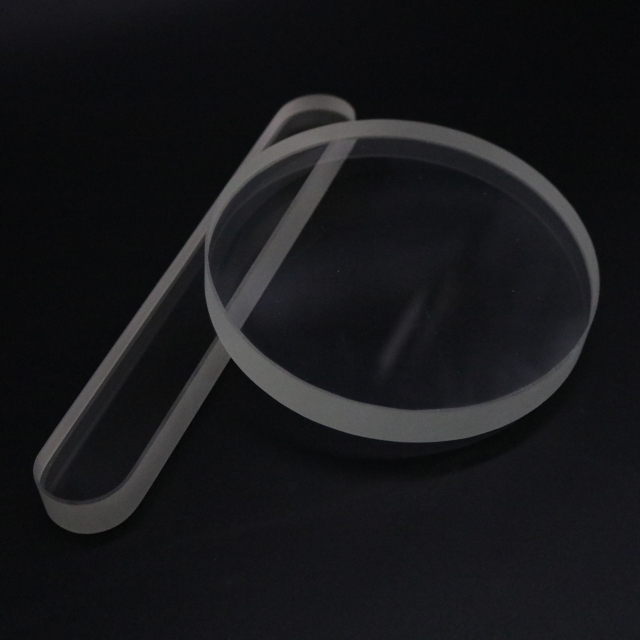
Chemical Purity: Borosilicate glass contains 13–15% boron trioxide, creating a non-porous, medical-grade barrier that prevents chemical leaching even in highly acidic environments.
Physical Safety: With a thermal expansion rate less than half that of standard soda-lime glass, borosilicate drastically reduces the risk of shattering and subsequent contamination from micro-shards.
Industrial Superiority: For critical processing (pharma, food, and beverage), specifying high-purity components like a Trough Type Transparent Sight Glass Borosilicate is mandatory for maintaining sanitary, health-grade fluid monitoring without the risk of material degradation or chemical leaching found in inferior glass types.
TCO & ROI: While borosilicate requires a 40–80% higher upfront investment, its 5–10 year extended lifecycle and resistance to clouding make it the more cost-effective choice for long-term health and safety compliance.
Understanding glass safety begins at the molecular level. Standard glass consists primarily of silica and calcium. Manufacturers rely on this soda-lime mixture because it melts at lower temperatures. It is cheap and easy to produce en masse. However, borosilicate introduces 13–15% boron trioxide into the silica mix. This fundamental change transforms the physical behavior of the final product.
The added boron acts as a microscopic barrier, creating a tightly bound, non-porous structure that prevents ion exchange between the glass and the liquids inside it. Standard glass can slowly degrade or absorb lingering odors over time, but a professional Trough Type Transparent Sight Glass Borosilicate completely rejects foreign compounds. It does not release toxins into your liquids, maintaining absolute biological purity even after years of continuous exposure to harsh industrial processing environments.
Chemical stability becomes crucial in extreme environments. Consider highly acidic conditions, like storing lemon juice or fermenting kombucha at a pH of 3.3. Standard glass can experience trace mineral leaching under such acidic stress. Borosilicate boasts chemical stability up to ten times higher than regular glass. It ensures zero heavy metal migration. It maintains absolute flavor neutrality and biological purity.
Feature | Soda-Lime Glass | Borosilicate Glass |
|---|---|---|
Primary Compounds | Silica, Sodium, Calcium | Silica, 13-15% Boron Trioxide |
Surface Structure | Micro-porous over time | Strictly non-porous |
Acid Resistance | Moderate | Exceptional (No ion exchange) |
Health Grade | Standard Consumer Grade | Medical & Food Grade |
Physical breakage poses a severe, often overlooked health risk. Nearly 90% of consumer glass falls into the soda-lime category. This material suffers from an exceptionally high coefficient of thermal expansion. When you expose it to rapid temperature changes, the material expands unevenly. Pouring boiling water into a cold soda-lime pitcher often causes catastrophic shattering.
We must frame this physical breakage as a direct contamination hazard. In a household kitchen, an exploding baking dish scatters invisible micro-shards into your food. In laboratory or factory settings, a ruptured pipe leads to dangerous chemical spills. Operators face severe burn risks and airborne contamination when inferior glass fails.
Borosilicate safely handles extreme temperature fluctuations. It boasts an operational safety threshold typically ranging from -80°C to 260°C. Furthermore, it has a melting point exceeding 1600°C. The thermal expansion rate is less than half that of standard glass. You can transfer a borosilicate dish from a freezing environment directly into a hot oven safely.
Common Mistakes in Glass Handling:
Placing hot soda-lime glass directly on cold, wet granite countertops.
Adding ice cubes to a freshly brewed pot of coffee in a standard glass carafe.
Assuming all thick glass is heat-resistant. Thickness does not prevent thermal shock in soda-lime materials.
We must bridge the gap between household health and commercial sanitary requirements. Factories scale these safety principles to massive proportions. Food processing plants, dairy operations, and pharmaceutical labs face uncompromising regulations. They cannot risk even microscopic levels of contamination. A single degraded glass component can ruin entire production batches.
These industries require sanitary fluid monitoring. Operators must observe liquids flowing through pipelines and processing vats visually. Installing a Trough Type Transparent Sight Glass Borosilicate ensures they can monitor fluid health safely. This specific material withstands harsh Clean-In-Place (CIP) chemicals. It also survives high-temperature steam sterilization without degrading or leaching into the product stream.
Visual clarity directly impacts quality control. High-grade borosilicate maintains over 92% light transmittance. Standard glass often contains iron impurities. These impurities create a noticeable green or yellow edge tint. Borosilicate remains crystal clear over years of heavy use. It resists the clouding typical of cheaper materials. This high transmittance allows factory inspectors to verify liquid purity accurately every single time.
Decision-makers need reliable frameworks to evaluate health-grade materials. You cannot simply trust marketing buzzwords. Global certification bodies provide strict guidelines for chemical inertness. Look for ISO 3585 compliance. This standard mandates a specific 12–15% boron content for optimal stability. ASTM E438 Type 1 Class A is another crucial benchmark. It signifies the highest possible chemical resistance in laboratory settings.
Medical and cosmetic industries rely heavily on these exact classifications. Laboratories mandate borosilicate for chemical storage vials. Vaccine manufacturers use it to guarantee absolute biological inertness. Cosmetic brands require it for rigorous product testing. If a material safely stores sensitive intravenous medications, it is undoubtedly safe for your daily drinking water.
Buyers must actively avoid counterfeits and misleading plastic alternatives. Many companies market plastic containers simply as "BPA-Free". This label creates a false sense of security. Plastics often use BPS or BPF as substitutes. These compounds may still leach endocrine disruptors when exposed to heat. Furthermore, you should exercise caution regarding colored glass. Brightly colored borosilicate occasionally contains trace heavy metals like cadmium or uranium. Clear, uncolored glass remains the safest standard worldwide.
Look at the Edges: True high borosilicate boasts over 92% clarity. It lacks the thick green tint visible on the rim of standard soda-lime glass.
Listen to the Sound: Tap the surface gently using a metal spoon. Premium borosilicate produces a high-pitched, clear ringing sound. Standard glass yields a dull, flat thud.
Feel the Weight: Borosilicate is remarkably dense yet physically lighter. It weighs noticeably less than an identical volume of standard glass. It also feels cooler to the touch at room temperature.
We must acknowledge the financial realities of choosing premium materials. Manufacturing borosilicate is highly energy-intensive. Factories must sustain furnace temperatures thousands of degrees higher than standard operations. Consequently, buyers face a 40–80% higher upfront purchase price. This initial sticker shock often deters budget-conscious consumers and procurement managers.
However, you must frame the Total Cost of Ownership around extended durability. Standard glass scratches easily and clouds over time. It inevitably shatters during accidental thermal stress. Borosilicate resists mechanical scratching, thermal degradation, and chemical clouding. Its useful lifespan is significantly longer, often extending past five to ten years of daily use. This longevity transforms the higher initial price into an excellent long-term return on investment.
Risk mitigation provides the most substantial financial value. For commercial buyers, equipment failures cause catastrophic downtime. Utilizing premium components like a Trough Type Transparent Sight Glass Borosilicate entirely eliminates contamination-related product losses. You reduce replacement frequency dramatically. Most importantly, you guarantee absolute health compliance for your end consumers. The upfront premium pays for itself the moment it prevents a single contamination incident.
Borosilicate is unequivocally the healthier material choice. Its uncompromising chemical stability prevents hazardous leaching. Its impressive thermal resilience eliminates the dangers of catastrophic shattering. Whether used in a home kitchen or an industrial factory, it delivers pure, uncontaminated performance.
Next Steps for Buyers:
Audit your current containers and cookware. Discard cracked soda-lime glass or scratched plastics.
Prioritize clear, uncolored borosilicate for all hot liquid applications.
Request ISO 3585 or ASTM E438 certifications from your industrial suppliers.
Invest in verifiable health-grade materials rather than settling for generic "BPA-Free" claims.
A: No. Borosilicate is a completely inorganic, inert material. It contains zero plastics, phthalates, or bisphenols. It easily withstands microwave radiation and extreme heat without releasing any chemical compounds or microplastics into your food.
A: No. This is a common myth. Borosilicate is highly resistant to severe thermal shock and chemical stress. However, it is still a glass product. It will break if you drop it onto a hard surface or subject it to severe mechanical impact.
A: Use the "Look, Listen, Feel" test. Borosilicate offers greater than 92% clarity without a green edge tint. It produces a clear ringing sound when tapped gently. It is also noticeably lighter in weight than standard glass of the exact same thickness.


