
Please Choose Your Language


| Quantity: | |
|---|---|


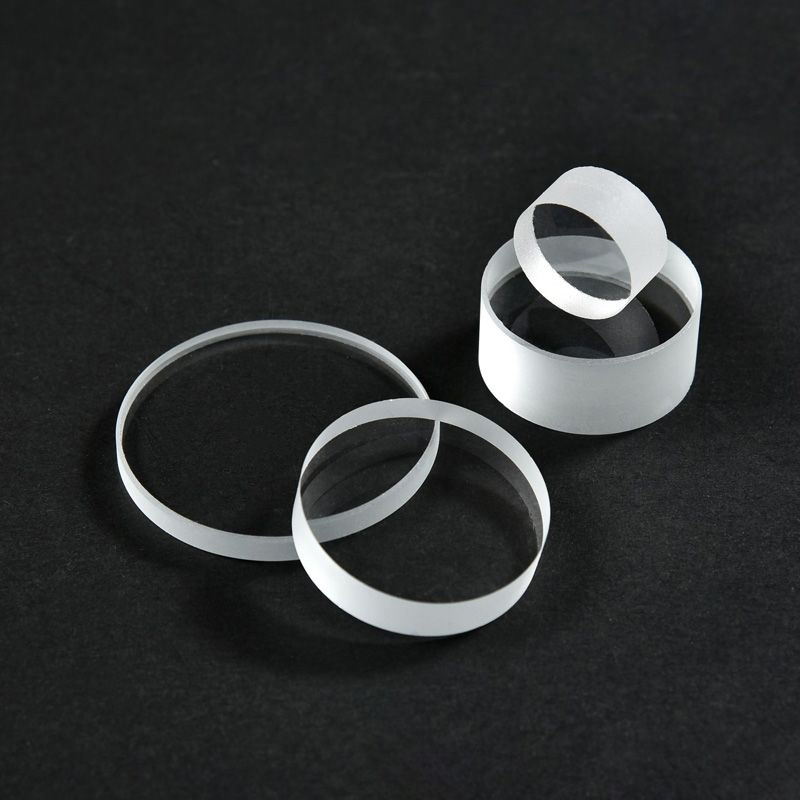
As a premier industrial glass manufacturer and global supplier, we provide high-performance round sight glass engineered for the most demanding process environments. These precision-crafted circular discs are designed to provide crystal-clear visual monitoring of fluids, gases, and chemical reactions within pressure vessels, tanks, and pipelines. By integrating advanced material science with rigorous manufacturing standards, our sight glass solutions ensure structural integrity and operational safety across the chemical, pharmaceutical, food and beverage, and power generation industries. Each unit is optimized for thermal stability and high-pressure resistance, allowing operators to maintain continuous observation without compromising system security.
The integrity of a processing system often hinges on the quality of its smallest components. Our round sight glass represents the pinnacle of industrial transparency, offering a window into the heart of high-pressure and high-temperature operations. Unlike standard glass components, these discs undergo specialized heat treatment and precision grinding to eliminate internal stresses that could lead to catastrophic failure. The surface is polished to an optical grade, ensuring that even under turbulent or high-viscosity conditions, the observer can accurately assess liquid levels, color changes, or flow patterns within the equipment.
Crafted from premium-grade borosilicate, quartz, or soda-lime materials, our sight glass discs are engineered to withstand the corrosive effects of acids, alkalis, and saline solutions. The manufacturing process involves strict adherence to flatness tolerances, ensuring a perfect seal when seated within union or flange-type housings. This meticulous attention to detail prevents leaks and protects personnel, making it an essential component for facilities that prioritize both efficiency and safety. Whether integrated into a sanitary food-grade vessel or a heavy-duty industrial furnace, our round sight glass provides the reliability required for uninterrupted production cycles.
| Specification | Technical Details |
| Available Materials | Borosilicate Glass 3.3, Quartz Glass, Tempered Soda-Lime |
| Standard Compliance | DIN 7080, DIN 8902, ASTM E438 |
| Diameter Range | 10mm to 500mm (Custom Sizes Available) |
| Thickness Range | 2mm to 35mm (Pressure Dependent) |
| Max Operating Temperature | Borosilicate: 280°C |
| Max Working Pressure | PN6, PN10, PN16, PN25, PN40 (Up to 100 bar for specific designs) |
| Surface Quality | 60/40 or 80/50 Scratch/Dig; Optical Grade Polishing |
| Chemical Resistance | Acid Resistance Class 1; Alkali Resistance Class 2 |
| Edge Finish | Ground, Polished, or Beveled Edges |
Exceptional Thermal Shock Resistance: Our borosilicate variants are engineered to survive rapid temperature fluctuations, preventing cracking during aggressive cleaning cycles or sudden process shifts.
Superior Optical Clarity: Each disc is polished to eliminate distortion, allowing for precise visual inspections of delicate chemical reactions or hygienic processing states.
High-Pressure Durability: Through controlled tempering and stress-relieving processes, the glass maintains its structural form under significant atmospheric loads, far exceeding standard safety margins.
Universal Compatibility: Designed to fit a wide range of standard industrial housings, including DIN7080 unions, flanged sight glass assemblies, and sanitary tank ferrules.
Corrosion-Proof Longevity: The chemically inert nature of our glass prevents leaching and surface clouding, ensuring the window remains clear and the process fluid stays uncontaminated.
Precision Geometry: Tight tolerances on diameter and flatness ensure a leak-proof fit with gaskets, reducing maintenance time and preventing environmental hazards.
The performance of a round sight glass is fundamentally dictated by its chemical composition. We utilize high-purity Borosilicate 3.3 for approximately 80% of industrial applications due to its low coefficient of thermal expansion. For specialized high-heat scenarios, such as furnace observation windows, our Quartz glass remains stable at temperatures exceeding 1000°C.
Understanding the interaction between the medium and the glass is critical. For instance, in environments with high concentrations of hydrofluoric acid or concentrated phosphoric acid, we provide specialized shielding or material recommendations to prevent surface etching. This level of material expertise ensures that our clients receive a product tailored specifically to the chemical stressors of their unique facility.
In the industrial sector, "good enough" is never sufficient for pressure-retaining components. Our manufacturing facility operates under a rigorous quality management system that aligns with DIN 7080 and DIN 8902 standards. These international benchmarks dictate the minimum thickness-to-diameter ratios required to safely contain specific pressures.
Every batch of our sight glass undergoes hydrostatic testing and thermal stress analysis. We provide full traceability for our materials, ensuring that the glass delivered to your site meets the exact mechanical properties required for your safety certifications. By adhering to these global standards, we help our partners minimize the risk of mechanical failure and meet the stringent requirements of insurance and safety auditors.
The junction between glass and metal is the most common point of failure in any sight glass assembly. To combat this, we focus heavily on the flatness of the glass surface. A perfectly flat disc ensures that sealing pressure is distributed evenly across the gasket, preventing localized stress concentrations that can lead to "shimming" or chipping.
Furthermore, we offer various edge treatments to suit specific installation methods. Beveled edges are often preferred for sanitary union types to prevent the accumulation of bacteria, while ground edges provide a more robust interface for high-pressure flanged units. This focus on the tactile and structural quality of the glass edge significantly extends the lifespan of the seals and the glass itself.
Engineering Expertise: We do not just supply glass; we provide engineering support to help you select the correct thickness and material for your specific pressure and temperature variables.
Customization Capabilities: From non-standard diameters to specialized silk-screened measurement scales, we can customize every aspect of the sight glass to integrate seamlessly into your equipment.
Rigorous Quality Control: Every single disc is inspected for bubbles, inclusions, and surface scratches that could compromise its integrity under pressure.
Rapid Response and Delivery: We maintain a vast inventory of standard DIN and SMS sizes, allowing us to respond quickly to emergency maintenance needs and reduce your facility's downtime.
Long-Term Reliability: Our products are designed for durability, meaning fewer replacements, lower maintenance costs, and a safer working environment for your staff.
Borosilicate glass contains a high percentage of silica and boric oxide, which gives it a very low coefficient of thermal expansion. This makes it ideal for processes involving high temperatures and thermal shock. Soda-lime glass is more economical and suitable for lower-temperature applications where chemical resistance and thermal stability are less critical.
Thickness is determined by the "unsupported diameter" of the glass and the maximum operating pressure. We use standardized formulas from DIN 7080 to calculate the safe thickness, ensuring a safety factor of at least 2.5 to 3 times the working pressure.
Yes, but with precautions. High-pressure steam can eventually erode glass. For long-term steam service, we often recommend the addition of a mica shield to protect the glass surface from corrosion while maintaining visibility.
You should inspect for any surface clouding, deep scratches, or "frosting." If the glass loses its crystalline clarity or shows signs of chemical etching, its structural integrity is compromised, and it should be replaced immediately during the next maintenance window.
Absolutely. We provide material certificates and pressure test reports upon request. This documentation is essential for many of our partners who must comply with strict regulatory and safety standards in the chemical and pharmaceutical sectors.


