
Please Choose Your Language
Views: 0 Author: Site Editor Publish Time: 2026-05-19 Origin: Site


Have you ever had a glass baking dish suddenly shatter inside a hot oven? This alarming scenario stems from a major shift in cookware manufacturing. Famous brands downgraded popular products from true borosilicate to cheaper soda-lime glass. Buyers now understandably question material safety and authenticity. Many consumers assume the industry completely stopped producing high-quality thermal glass.
While genuine borosilicate largely vanished from big-box retail stores, it remains highly active today. Industrial, scientific, and B2B sectors rely heavily on this extremely durable material. High manufacturing costs and strict environmental regulations pushed producers out of consumer markets. Today, you can access specialized industrial formats built for extreme endurance. Procurement teams frequently source precision materials like the Borosilicate 4.2 Glass Sheet for demanding enterprise projects.
We will explore how you can evaluate and purchase true borosilicate today. You will learn to source the right industrial glass. We will also show you how to verify supplier quality effectively.
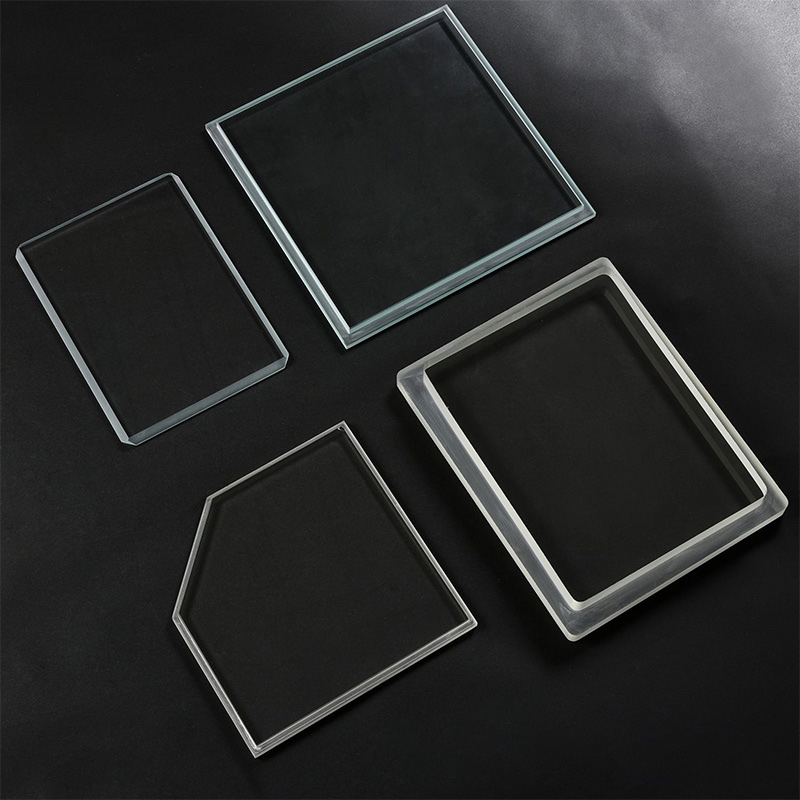
Genuine borosilicate glass is still manufactured globally, but production has shifted predominantly from consumer goods to industrial, optical, and laboratory applications.
Procurement evaluation must focus on exact chemical composition and specific thermal expansion ratings (such as the Borosilicate 4.2 Glass Sheet) rather than legacy brand names.
While upfront costs for true borosilicate are higher than soda-lime alternatives, the Total Cost of Ownership (TCO) is significantly lower in high-stress applications due to eliminated failure rates and longer operational lifespans.
Vetting suppliers requires verifying compliance standards (ISO, ASTM) and precision customization capabilities, not just material availability.
Trademark acquisitions caused massive confusion across the modern glass market. Legacy brands changed their fundamental material recipes. Lowercase "pyrex" products sold today often use tempered soda-lime glass. This substitution leads to unexpected thermal shock failures during routine temperature changes. Consumers and businesses alike suffer unpredictable losses due to shattered glass. Consumer reports frequently highlight the hidden dangers of these downgraded materials.
Supply chain shifts explain this harsh market reality perfectly. Borosilicate production requires extremely high melting temperatures. Factories consume massive amounts of energy to reach these heat thresholds. Handling toxic borate waste also adds significant regulatory and environmental compliance costs. These financial pressures pushed manufacturers away from low-margin consumer goods. They reserved their premium borosilicate production for high-margin, high-performance industries.
The B2B solution thrives significantly today. True borosilicate transitioned fully into a specialized industrial material. Engineers utilize it heavily in aerospace component designs. Medical labware manufacturers depend on its chemical purity. Lighting applications and semiconductor manufacturing also demand absolute zero-failure tolerance. These advanced sectors cannot risk material fracture during critical operations. The industry evolved rather than disappeared entirely.
Global pioneers set the absolute industry benchmark for raw material. Tier-one legacy manufacturers dominate global raw sheet production. Companies like Schott and Corning’s Life Sciences division lead this specialized space. They established the strict baseline for Type 1, Class A low-expansion glass. Their extensive research facilities ensure unmatched chemical consistency. You trust these giants for immense volume and reliable raw material generation.
Specialized B2B fabricators serve the crucial mid-market manufacturing segment. These customizers source raw materials directly from the global pioneers. They offer custom cutting, thermal tempering, and precision edge-finishing. Enterprise buyers rely heavily on them for highly specific form factors. You get CNC-machined components ready for immediate factory installation. These fabricators bridge the gap between raw material and finished industrial parts.
Regional importers maintain strict adherence to original material recipes. specialized distributors bridge European-to-US supply channels. They provide genuine European borosilicate for commercial use. This guarantees you avoid downgraded domestic substitute materials completely.
Use clear shortlisting logic when selecting a new vendor. Select suppliers based strictly on your project volume needs. Order bulk raw sheets direct-from-manufacturer if you process materials in-house. Choose specialized fabricators for complex, ready-to-install parts.
Analyze your total volume requirements over the upcoming fiscal year.
Determine if your project needs raw sheets or pre-machined custom parts.
Contact global pioneers directly for high-volume raw material orders.
Engage mid-market fabricators for intricate CNC-machined components.
Verify the supplier uses original borosilicate recipes rather than soda-lime blends.
Defining the exact specifications prevents extremely costly purchasing mistakes. The specific "4.2" designation signifies the material's precise Coefficient of Thermal Expansion (CTE). This rating guarantees predictable physical behavior under rapid temperature changes. You avoid the unpredictable shattering seen frequently in generic "heat-resistant" glass. Specifying a Borosilicate 4.2 Glass Sheet ensures exact engineering tolerances for your systems.
Thermal shock limits define extreme operational safety margins. Frame your evaluation around precise temperature differentials. A true 4.2 sheet easily handles immediate environmental transitions. You can move it from extreme cold directly into high heat. It resists stress-induced fracturing perfectly. This exceptional property is absolutely crucial for demanding chemical processing units.
Consider chemical and mechanical durability during your procurement process. The material offers exceptional hydrolytic resistance across various applications. It remains impervious to harsh industrial acids and strong alkalis. Mechanical surface hardness provides excellent scratch resistance over time. These robust structural features translate directly into superior equipment longevity outcomes.
Optical clarity matters significantly for precision measurement equipment. You get high light transmission rates and very low iron content. Industrial sight glasses and optical instruments require these exact physical properties. High-end architectural applications also benefit greatly from this uncompromised visual clarity.
Property | Borosilicate 4.2 Specification | Standard Soda-Lime Spec |
|---|---|---|
Coefficient of Thermal Expansion (CTE) | 4.2 x 10⁻⁶/K | ~9.0 x 10⁻⁶/K |
Maximum Thermal Shock Limit | ~160°C Differential | ~50°C Differential |
Hydrolytic Resistance | Type 1, Class A | Type 3 |
Light Transmission (Clear) | > 90% | Varies (Green/Blue hue) |
Calculate upfront purchase costs versus lifetime operational costs carefully. Conceptual ROI strongly favors industrial-grade materials over generic glass. Borosilicate commands a noticeable premium price per square foot. However, soda-lime glass carries extensive hidden operational costs. You face frequent part replacements and costly factory downtime. Shattering incidents also introduce severe legal and safety liability risks.
Implementation risks of material downgrading are extremely substantial. Substituting borosilicate poses major safety hazards for facility workers. Tempered soda-lime will fail under simultaneous chemical exposure and thermal cycling. Industrial processes often demand simultaneous extreme heating and harsh acid washes. Soda-lime cannot survive these concurrent mechanical stresses. Equipment failure leads to ruined production batches.
Sustainability and compliance factor heavily into environmental TCO calculations. True borosilicate's extended lifespan drastically reduces wasteful material churn. You replace critical machinery parts much less frequently. Choosing a Borosilicate 4.2 Glass Sheet ensures that specialized formulas meet strict electronic and medical compliance standards perfectly. Alkali-free variations prevent electrical signal interference in advanced telecommunications hardware, ensuring long-term operational sustainability.
Cost Factor | Borosilicate Sheet | Soda-Lime Alternative |
|---|---|---|
Initial Purchase Price | High Premium | Low Cost |
Replacement Frequency | Very Low | High |
Operational Downtime | Minimal | Significant |
Liability & Safety Risk | Low (Predictable) | High (Shatter Prone) |
Overall Lifetime ROI | Highly Positive | Negative (High Maintenance) |
Proper material verification completely protects your fragile supply chain. You must ensure you receive genuine borosilicate upon delivery. Always request detailed material data sheets from prospective vendors. Perform a quick visual edge-color test upon receiving samples. Borosilicate shows a signature clear or bright white edge. Soda-lime displays a distinct green or blue hue universally.
Evaluate custom fabrication and overall machinability closely. The supplier must process the raw glass flawlessly. Poor mechanical processing introduces hidden micro-fractures into the sheet. Do they offer precision waterjet cutting services? Can they perform exact thermal tempering and custom annealing? These vital capabilities separate true industrial fabricators from simple material resellers.
Certifications guarantee strict regulatory adherence for your final products. Ask vendors directly for FDA, ISO, and ASTM documentation. Food, medical, and harsh industrial environments demand strict regulatory compliance. Missing testing documentation often indicates substandard materials. Never compromise on certified safety standards when building industrial equipment.
Determine your immediate next-step procurement actions. Request a physical sample sheet for rigorous internal testing. Subject it to intense thermal stress and strong chemical washes. Always ask for recent facility audit reports. Review these inspection reports thoroughly before committing to high-volume purchase orders.
Request official material data sheets verifying a 4.2 CTE rating.
Inspect physical glass samples for a clear or white edge profile.
Verify advanced CNC machining and custom annealing capabilities firsthand.
Collect updated ISO, ASTM, and FDA compliance certificates.
Perform an internal thermal shock test on the provided glass sample.
The final verdict remains absolutely clear for buyers today. Borosilicate glass remains far from extinct in the modern market. It simply evolved into a precision-engineered industrial asset. Manufacturers shifted their focus to specialized, high-performance manufacturing sectors. It still provides the ultimate solution for extreme thermal environments.
Procurement teams must adapt their purchasing strategies immediately. Stop relying on legacy consumer brand names for industrial decisions. Base your material decisions on strict CTE specifications instead. Evaluate chemical durability and proven supplier fabrication capabilities thoroughly. True business value comes from reliable, tested performance over time.
Take decisive action to secure your supply chain today. Contact specialized sales engineers to discuss your unique requirements. Ask them for detailed material data sheets immediately. Request customized quotes for your specific project dimensions. Reliable B2B manufacturers are fully ready to fulfill your most demanding orders.
A: You can identify the difference using a simple edge-color test. Look directly at the exposed edge of the glass sheet. Genuine borosilicate typically features a clear or slightly greyish-white edge profile. In contrast, soda-lime glass contains higher iron levels naturally. This chemical difference gives its edge a distinct blue or green tint. Visual inspection offers a quick initial verification method.
A: Maximum temperature thresholds depend heavily on glass thickness and specific CTE ratings. Generally, continuous working temperatures range safely up to 230°C. Short-term maximum exposure can briefly reach 500°C. However, thermal shock limits are much stricter. A standard sheet typically handles rapid temperature differentials of roughly 160°C without fracturing. Always consult your official material data sheet.
A: Consumer brands shifted production entirely to reduce manufacturing costs. Soda-lime glass requires significantly lower melting temperatures. This drastically reduces energy consumption during factory production. Additionally, producing true borosilicate generates toxic borate byproducts. Mitigating this specific waste requires expensive environmental compliance measures. Brands opted for cheaper materials to increase profit margins on low-cost retail goods.
A: Borosilicate glass is technically recyclable, but it requires highly specialized industrial recycling streams. You cannot mix it with standard municipal glass recycling. Its exceptionally high melting point disrupts conventional civic recycling processes. Mixing it causes severe structural defects in recycled soda-lime batches. Industrial manufacturers utilize dedicated closed-loop systems to recycle their scrap material safely.


