
Please Choose Your Language
Views: 0 Author: Site Editor Publish Time: 2026-05-20 Origin: Site


Do steam boilers require a sight glass? Yes. Steam boilers are legally and operationally mandated to feature sight glasses. You cannot bypass this crucial safety component. These visual indicators protect your facility from catastrophic failures. They also ensure full compliance with strict industrial boiler codes.
Every steam system requires a reliable level indicator. However, the specific type of glass you install heavily influences maintenance schedules and safety risks. Facility managers are rapidly shifting away from fragile tubular glass. They now favor robust industrial alternatives to minimize downtime and prevent hazardous blowouts. The right glass protects both your personnel and your equipment.
We provide facility managers and maintenance engineers an evidence-based framework in this guide. You will learn how to evaluate, maintain, and upgrade boiler level indicators. We will cover crucial visual diagnostics and strict replacement protocols to maximize your equipment lifespan.
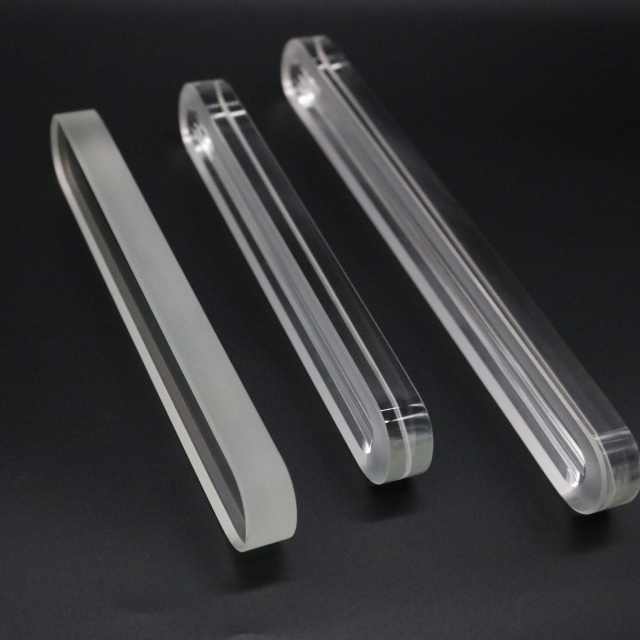
Code Compliance: Sight glasses are non-negotiable, mandated by boiler safety codes (e.g., ASME) to prevent dry-firing and boiler meltdowns.
Durability vs. Cost: Standard tubular glass requires annual replacement due to chemical etching; upgrading to a professional Strip Sight Glass for Steam Tanks dramatically lowers Total Cost of Ownership (TCO) by providing a shielded, high-pressure viewing environment that resists blowouts and mechanical impacts.
Diagnostic Value: Fluctuating, foaming, or clouded water in the sight glass provides instant visual proof of system leaks or chemical contamination.
Strict Maintenance Protocols: Incorrect replacement measurements or introducing cold water to a hot boiler during maintenance are primary causes of catastrophic cylinder fractures.
Operating a boiler without accurate water level visibility introduces severe business risks. You face two dangerous extremes. Low water exposes the fire tubes. This exposure leads to rapid metal warping, cracking, and potential explosions. Conversely, high water creates distinct operational problems. Overfilling the tank causes prime carryover. This wastes costly fuel and delivers poor steam quality to your facility.
Boiler sight glasses do not operate in isolation. They integrate directly into broader safety mechanisms. The glass connects to the water column and interfaces the Low-Water Cut-Off (LWCO) system. If the water drops below a safe threshold, the LWCO shuts off the burner immediately. The sight glass provides the visual confirmation you need to verify these automated safety controls function correctly.
Regulatory bodies enforce strict compliance requirements for these visual gauges. Industry standards, such as the ASME Boiler and Pressure Vessel Code, legally require them. The gauge operates on simple physical water displacement. Water seeks its own level. The fluid inside the external glass tube syncs exactly to the internal tank level. This simple physics principle provides an infallible, real-time snapshot of your boiler interior.
Facility managers face a critical procurement decision regarding level indicators. You must weigh upfront costs against long-term scalability and safety. Industrial facilities typically evaluate three main solution approaches.
Standard tubular glass remains the most common entry-level option for small commercial boilers. It offers a low initial purchase price. You can find replacement tubes at almost any industrial supplier.
However, this affordability masks significant drawbacks. Tubular glass is highly fragile. It remains completely exposed to external physical impacts. Furthermore, high-pressure steam etching degrades the interior surface rapidly. This chemical thinning forces mandatory annual replacements.
Industrial applications demand superior durability. Upgrading to a Strip Sight Glass for Steam Tanks solves the fragility problem. This solution features heavy-duty borosilicate or aluminosilicate glass securely clamped inside a rigid metal armored frame.
You can choose between two main variations for armored glass:
Reflex Glass: This style utilizes inner prisms. The prisms reflect ambient light, creating a sharp visual contrast between dark liquid and silvery gas. They excel in poorly lit boiler rooms.
Transparent Glass: This style uses plain heavy-duty glass. It allows backlighting for easier viewing. You can also install protective mica shields behind transparent glass to prevent corrosive feed water etching.
Some facilities upgrade to magnetic level indicators. These represent the ultimate non-contact alternative. They utilize internal magnetic floats enclosed in a separate chamber. The floats flip external metallic flags to indicate the level. This completely isolates the indicator from internal boiler pressure.
Type | Initial Cost | Durability | Maintenance Frequency | Best Application |
|---|---|---|---|---|
Standard Tubular | Low | Low (Fragile) | High (Annual Replacement) | Small, low-pressure commercial boilers |
Armored Strip Glass | Moderate | High (Protected) | Low (Multi-year lifespan) | High-pressure industrial steam tanks |
Magnetic Indicator | High | Very High | Very Low | Critical zero-leakage environments |
Many procurement teams focus solely on the initial purchase price. This approach obscures the true Total Cost of Ownership (TCO). Retaining basic tubular glass often costs more long-term than upgrading your systems.
You must calculate the hidden costs of fragility. A blown tubular glass forces an immediate emergency shutdown. Unexpected boiler downtime halts production lines. You lose revenue for every hour the steam system remains offline while technicians source and install a replacement tube.
Chemical etching presents a relentless operational reality. High-temperature boiler water features elevated alkalinity. This chemical environment actively thins unprotected soda-lime and basic borosilicate glass over time. The structural weakening remains invisible to the naked eye. Unplanned blowouts spray scalding steam and shattered glass across the boiler room. This scenario poses severe burn liabilities to your operators.
A smart procurement logic justifies the higher upfront capital expenditure (CAPEX) of an armored Strip Sight Glass for Steam Tanks. The investment drastically reduces operational expenditures (OPEX). You face fewer annual replacements. You eliminate shattered-glass safety liabilities. Your maintenance teams spend significantly less labor hours swapping out fragile tubes.
Cost Category | Standard Tubular Glass | Armored Strip Glass |
|---|---|---|
Annual Part Cost | $30 - $50 (Requires frequent changes) | $200+ (Lasts many years) |
Labor Spend | High (Annual installations required) | Low (Install once, minimal service) |
Downtime Risk | High (High blowout probability) | Very Low (Armored protection) |
Safety Liability | Severe (Exposed to impact) | Minimal (Metal housing contains pressure) |
Your sight glass serves as a real-time diagnostic monitor. Experienced maintenance engineers read the water condition to assess internal boiler health.
Proper valve positioning is crucial for accurate readings. You must lock the upper and lower valves fully open during standard operation. Turn them fully counter-clockwise (Full CCW). Partially closed valves restrict pressure equalization. This restriction causes dangerous false high-water readings.
Pay close attention to the internal water condition. Abnormalities signal immediate problems:
Foaming Water: This indicates severe chemical contamination. Organics, oils, or high Total Dissolved Solids (TDS) cause the water to froth.
Dark or Muddy Water: Suspended rust and sludge turn the water brown. This signals an immediate need for bottom blowdowns through the mud leg. You may also need to perform surface skimming.
Violent Bouncing: Minor fluctuation is normal. Violent bouncing suggests surging, often linked to poor water chemistry.
Veteran engineers frequently use the "vacuum ammonia" method. This technique cleans interior glass without requiring physical removal.
Close the bottom gauge valve completely.
Close the top gauge valve completely.
Open the petcock drain valve to empty the glass tube.
Hold a small cup of household ammonia under the open petcock drain.
Open the bottom gauge valve, then slightly crack open the top valve to induce steam.
Close the top valve quickly. As the trapped steam cools, it creates a vacuum.
The vacuum pulls the ammonia up into the glass, stripping away dirt and light scale.
Open all valves and flush the system thoroughly.
Critical Warning: You must ensure both the top and bottom valves seal perfectly 100%. If they leak even slightly, they will break the vacuum. The ammonia method becomes dangerously invalid under leaking conditions. If valves fail to seal, you must use standard removal procedures.
Do not wait for a blowout to replace your gauge glass. Advocate for proactive maintenance. You should replace standard tubular glass at least once annually. Glass weakening through steam etching happens internally. It is rarely visible to the naked eye until catastrophic failure occurs.
Many technicians fall into a dangerous measurement trap. Never use the old, removed glass as a measurement template for the new piece. A previous technician may have cut the old glass too short.
You must use the correct sizing formula. Measure the distance from the top valve face to the bottom valve face. Next, add the depth of the internal stop castings. Cut the new glass precisely to this total length.
Strict standard operating procedures (SOPs) prevent injuries during installation.
Cold Water Shock: Never add cold water to a hot boiler to test your newly installed glass. Thermal shock will immediately crack the cast iron boiler block. Always allow the boiler to cool completely.
Scoring and Cutting: Use a proper chain-cutter tool. Wrap the chain around the glass. Score it only once. Snap the glass cleanly along the scored line. Always deburr the sharp edges utilizing heavy plumber’s cloth to prevent gasket damage.
Reintroduction: Reintroduce heat and pressure slowly. Crack the valves open incrementally. As the glass heats up, the connections may weep slightly. Tighten the brass friction rings only enough to stop the weeping. Overtightening will crush the glass.
The sight glass serves as the ultimate visual failsafe for your steam system. Ignoring its maintenance directly threatens facility safety and boiler efficiency. Upgrading from standard fragile tubes to a robust Strip Sight Glass for Steam Tanks prevents unexpected downtime. You reduce long-term operational costs while protecting your staff from blowout hazards, ensuring your pressurized vessels remain both compliant and secure.
Take immediate action to secure your facility:
Audit your current boiler room this week to assess the condition of all level indicators.
Schedule an immediate replacement if your standard tubular glass appears heavily clouded, etched, or exceeds one year of age.
Consult a licensed contractor to spec out an armored upgrade if you currently experience frequent glass failures.
Implement a strict logbook for daily visual inspections, noting water color, foam presence, and valve positions.
A: Bouncing occurs due to the dynamic heating cycle. Water leaves the vessel as steam and returns as liquid condensate. Minor fluctuation is completely normal. However, violent bouncing indicates surging. Surging usually results from poor boiler water chemistry, oil contamination, or excessive dissolved solids. You should test your water chemistry and perform a thorough blowdown or surface skimming to correct it.
A: For residential or small commercial systems lacking auto-feeders, you should check the level weekly and add water roughly once a month. The absolute golden rule is safety first. Never add cold water to a hot system. You must wait until the boiler cools down completely. Injecting cold water into a firing boiler causes rapid thermal shock and fractures the metal block.
A: A completely clear glass indicates danger. It could mean the boiler is dangerously empty, risking a catastrophic dry-fire meltdown. Conversely, it could mean the glass is entirely flooded above the visible range. You must check your valves. Open the drain petcock slightly. If steam blasts out, the water level is dangerously low. If a solid stream of water flows, the boiler is overfilled.


