
Please Choose Your Language




| Quantity: | |
|---|---|


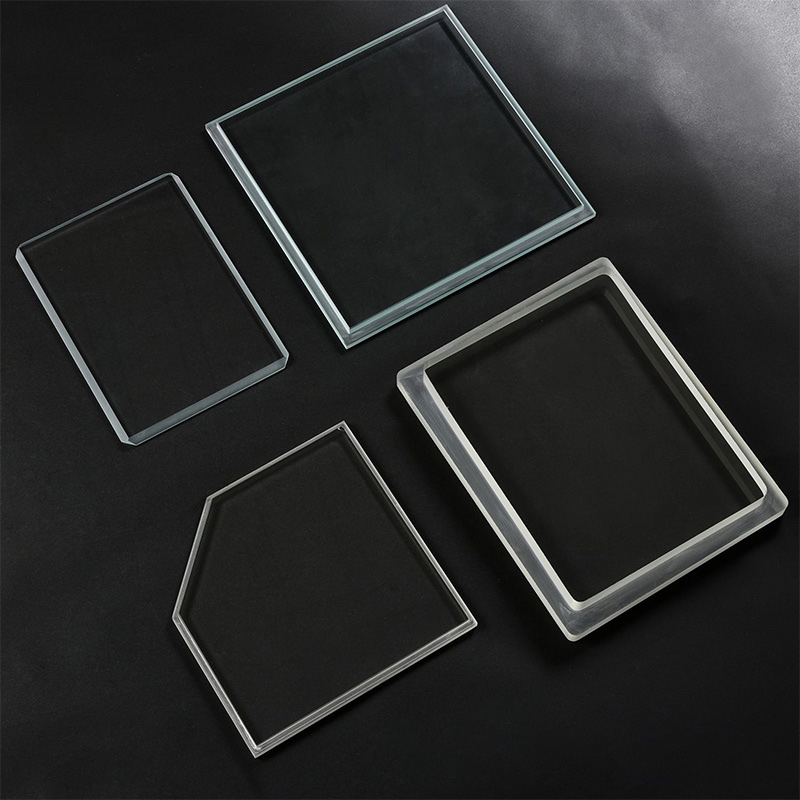
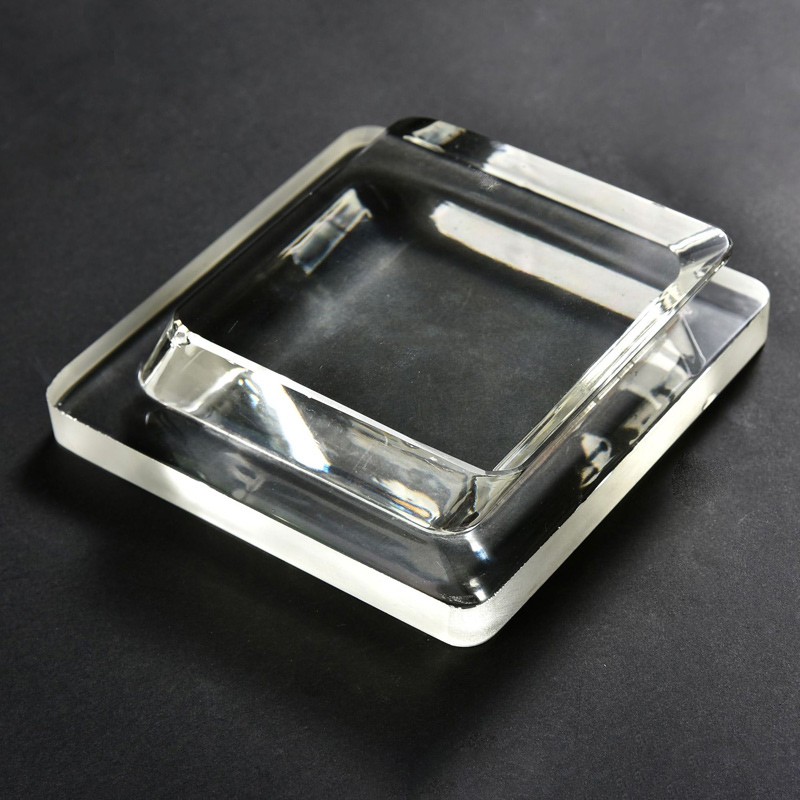
The Borosilicate 4.2 Step Glass represents a pinnacle in precision-engineered glass solutions, specifically designed for high-performance industrial and lighting applications. As a specialized manufacturer and supplier, we provide these components crafted from premium borosilicate material with a linear coefficient of thermal expansion of $4.2 \times 10^{-6}/K$. This unique formulation offers an ideal balance between mechanical strength and thermal shock resistance. The distinctive "step" geometry is achieved through advanced CNC machining, ensuring a seamless fit for gaskets and waterproof seals in demanding environments such as outdoor LED systems, industrial boilers, and high-pressure sight vessels.
The tactile experience of the Borosilicate 4.2 Step Glass is characterized by its pristine, ultra-smooth surface and exceptional optical clarity. When held, the glass feels substantial yet refined, a testament to its high density and uniform structural integrity. Each piece undergoes a rigorous tempering process, which not only increases its flexural strength but also ensures that the glass maintains its shape under extreme temperature gradients. The visual transparency is remarkable, allowing for maximum light transmission without the yellowish tint often found in standard soda-lime glass. This makes it an essential component for projects where visual monitoring or high-intensity illumination is critical.
The precision-machined step is the defining feature of this product. Unlike molded glass, our CNC-cut edges are crisp and dimensionally accurate to within microns. This ensures that when the glass is integrated into a metal housing or a silicone gasket, the seal is airtight and capable of withstanding significant atmospheric or liquid pressure. The sound of the glass—a high-pitched, clear ring when lightly tapped—signals its internal purity and the absence of micro-fractures. In industrial settings, this material serves as a silent guardian, providing a clear window into volatile processes while offering an uncompromising barrier against chemical corrosion and thermal stress.
| Property | Value | Test Standard/Detail |
| Material Grade | Borosilicate 4.2 | High Alumina/Boron Content |
| Coefficient of Thermal Expansion (CTE) | $4.2 \pm 0.1 \times 10^{-6}/K$ | 20°C to 300°C |
| Light Transmission | > 91% | at 2mm thickness (visible spectrum) |
| Maximum Working Temperature | 280°C (Long-term) / 500°C (Short-term) | Annealed or Tempered options |
| Density | 2.27 - 2.30 g/cm³ | At 25°C |
| Softening Point | 810°C - 820°C | Thermal deformation threshold |
| Acid Resistance | Class 1 | DIN 12116 |
| Hydrolytic Resistance | Class 1 | ISO 719 / DIN 12111 |
| Alkali Resistance | Class 2 | ISO 695 / DIN 52322 |
| Refractive Index | 1.484 | λ=587.6 nm |
| Edge Tolerance | ± 0.05 mm | CNC Machined Step |
Our Borosilicate 4.2 composition is specifically engineered to endure rapid temperature fluctuations. While standard glass may shatter upon exposure to a cold blast after high heat, this material maintains its structural integrity, making it indispensable for outdoor floodlights and internal furnace observation ports.
The glass surface is virtually non-reactive. It withstands prolonged exposure to acidic solutions and salt spray, preventing the "clouding" effect often seen in lesser materials. This ensures that the clarity remains consistent over years of service in harsh coastal or industrial environments.
The "step" or recessed edge is meticulously crafted to facilitate specialized mounting. This allows for a flush finish in architectural lighting or a high-compression seal in pressure vessels, effectively eliminating the risk of leaks or mechanical failure at the mounting point.
Through specialized physical or chemical tempering processes, we enhance the impact resistance of each plate. This provides an added layer of safety in environments where the glass may be subjected to mechanical vibration or accidental debris impact.
By minimizing iron content and controlling the melting process, we achieve a neutral color profile. This ensures that the spectral output of high-end LED chips is not distorted, maintaining the intended color temperature and lumen efficiency of the final fixture.
The production of a "Step" profile requires more than simple cutting; it demands high-speed CNC grinding to ensure the vertical and horizontal planes of the step are perfectly perpendicular. Our facility utilizes diamond-tipped tooling to achieve a surface finish that is free from chipping or micro-cracks. This precision is vital for the longevity of the glass, as even a microscopic flaw can become a stress point under thermal load.
Beyond the physical shape, we offer a variety of surface enhancements tailored to specific technical needs:
Silkscreen Printing: High-temperature ceramic inks can be applied for branding, masking, or border decoration, which are then fused into the glass surface during the tempering cycle.
Anti-Reflective (AR) Coating: To further boost light transmission for specialized sensors or high-end projectors, we can apply multi-layer coatings that reduce surface reflection to less than 1%.
Sandblasting and Frosting: For lighting applications requiring soft diffusion, the step glass can be frosted on either the flat surface or the step itself to control glare.
Hydrophobic Coatings: For outdoor installations, a permanent "easy-clean" layer can be applied to shed water and dust, reducing maintenance intervals for your end-users.
The choice of a 4.2 expansion coefficient is a strategic engineering decision. While 3.3 borosilicate is the standard for laboratory beakers, the 4.2 variant often provides a better match for the expansion rates of certain metal housings and adhesives used in industrial assemblies. This minimizes the "shear stress" that can occur at the interface between glass and metal during heating cycles, leading to a more reliable and durable final product.
In industrial engineering, reliability is the primary currency. Our glass is tested against:
Hydrolytic Attack: Ensuring the glass does not leach or degrade when in constant contact with hot water or steam.
Thermal Shock Gradients: Each batch is sampled to ensure it can withstand a sudden 150°C temperature differential without fracturing.
Pressure Cycling: For sight glass applications, the material is validated to withstand specific bar ratings, providing peace of mind for engineers designing high-pressure steam systems or hydraulic reservoirs.
Modern urban and industrial lighting relies on Borosilicate 4.2 Step Glass to protect sensitive LED arrays. The step allows for a deep-set gasket that provides IP66 or IP67 waterproof ratings. Because the glass does not degrade under UV exposure, it remains clear for the lifetime of the fixture, ensuring consistent light distribution and safety.
In chemical processing and oil/gas industries, technicians must be able to monitor fluid levels and reactions safely. Our step glass is frequently utilized in circular or longitudinal sight openings where a robust seal is required to contain volatile or pressurized media. The material's resistance to alkali and acid ensures that the "window" into the process does not become etched or obscured over time.
From the glass covers of high-end air fryers and ovens to specialized evaporator components in scientific research, this material's versatility is unmatched. Its ability to transition from a freezer environment to a pre-heated oven without fail makes it a favorite for premium consumer goods manufacturers who prioritize safety and durability.
Every piece of Borosilicate 4.2 Step Glass that leaves our facility undergoes a multi-stage inspection process. We utilize polarized light stress viewers to ensure the tempering is uniform and dimensional gauges to verify that the step measurements meet your exact technical drawings. This rigorous attention to detail reduces your assembly rejection rates and ensures the safety of your final application.
We do not just supply glass; we partner with your engineering team. If you are unsure whether 4.2 or 3.3 expansion is best for your specific metal alloy housing, our experts can provide the thermal compatibility data required to make an informed decision. We understand the nuances of glass-to-metal seals and can suggest modifications to the step geometry to optimize performance.
Whether your project requires a small run of highly specialized medical components or a high-volume supply for a global lighting contract, our production lines are designed for flexibility. Our integration of CNC technology with traditional glass craftsmanship allows us to maintain consistent quality across thousands of units, ensuring that the first piece is identical to the last.
While 3.3 borosilicate offers the highest thermal shock resistance, 4.2 expansion glass is often preferred in industrial assemblies where the glass must be bonded or sealed to metal frames. The 4.2 coefficient is frequently a closer match to common aluminum or stainless steel alloys, reducing the mechanical stress on the seal during heating and cooling cycles.
Yes, we specialize in custom manufacturing. We can produce step glass in thicknesses ranging from 2mm to 20mm, with the step depth and width tailored to your specific gasket requirements. Our CNC machining allows for complex geometries, including circular, rectangular, or irregular shapes with multiple steps or holes.
Absolutely. When tempered, our Borosilicate 4.2 Step Glass meets the stringent requirements for impact and thermal resistance needed for explosion-proof certifications (such as ATEX or IECEx). Its high mechanical strength and ability to withstand internal pressure make it a standard choice for hazardous area lighting.
Borosilicate glass is significantly more resistant to chemical attack. It is classified as Acid Class 1 and Hydrolytic Class 1, meaning it will not fog, etch, or become brittle when exposed to acidic environments, industrial cleaners, or salt spray. Soda-lime glass, by contrast, will eventually show signs of "weathering" or surface degradation in the same conditions.
For continuous, long-term operation, we recommend a maximum temperature of 280°C. However, for short-term exposure (less than 10 hours), the glass can safely withstand temperatures up to 500°C. It is important to consider the thermal gradient (the difference in temperature between the two sides of the glass) when designing your application to ensure the safety of the installation.
No, our tempering process is carefully controlled to maintain the optical purity of the borosilicate material. There is no distortion or change in light transmission. In fact, because the glass remains cleaner over time due to its chemical resistance, it often maintains better clarity than non-borosilicate alternatives in the field.


